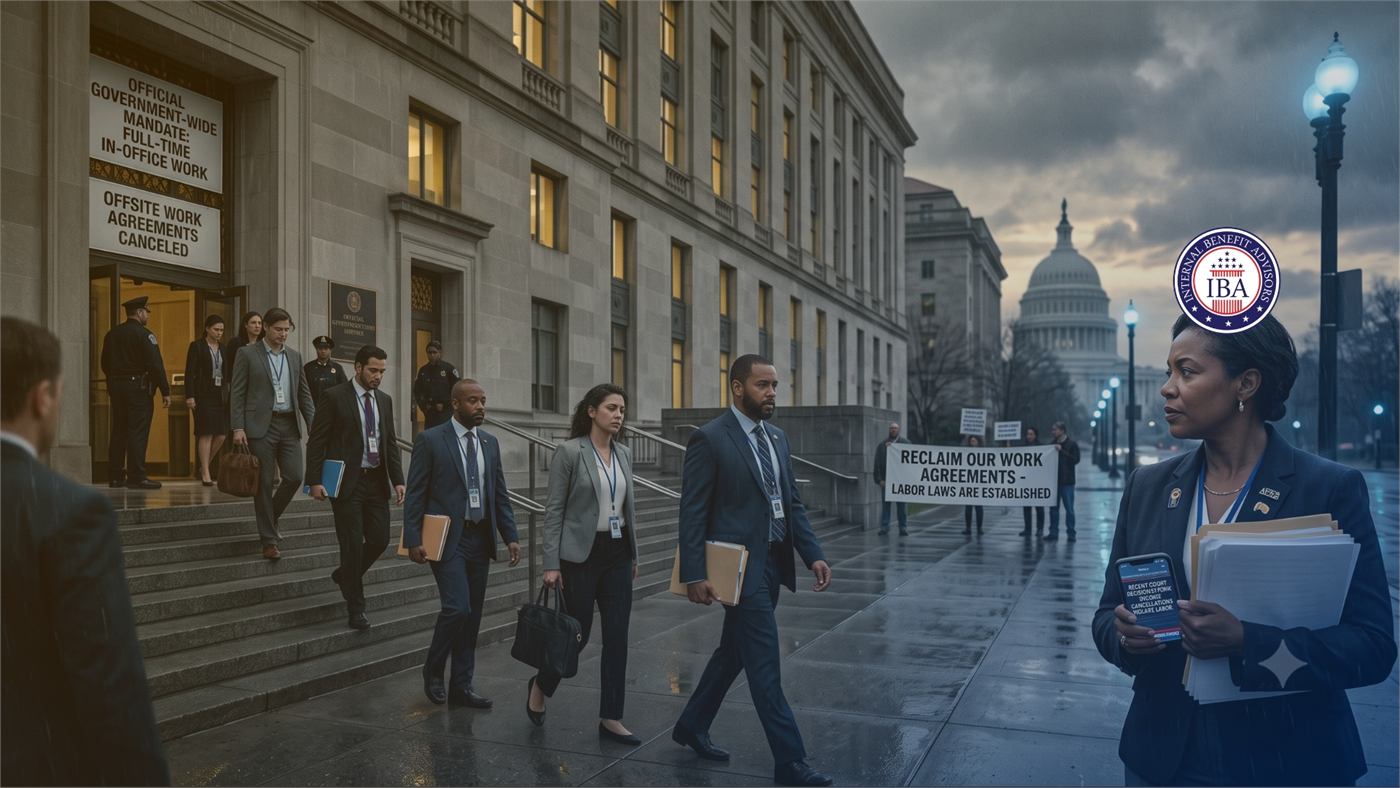
The Telework Tug-of-War: Arbitrator Rules Against IRS Offsite Work Cancellations
An arbitrator has ruled against the IRS over canceled telework agreements. What the decision signals for return-to-office mandates across federal agen
43 posts on economics, newest first.
An arbitrator has ruled against the IRS over canceled telework agreements. What the decision signals for return-to-office mandates across federal agen
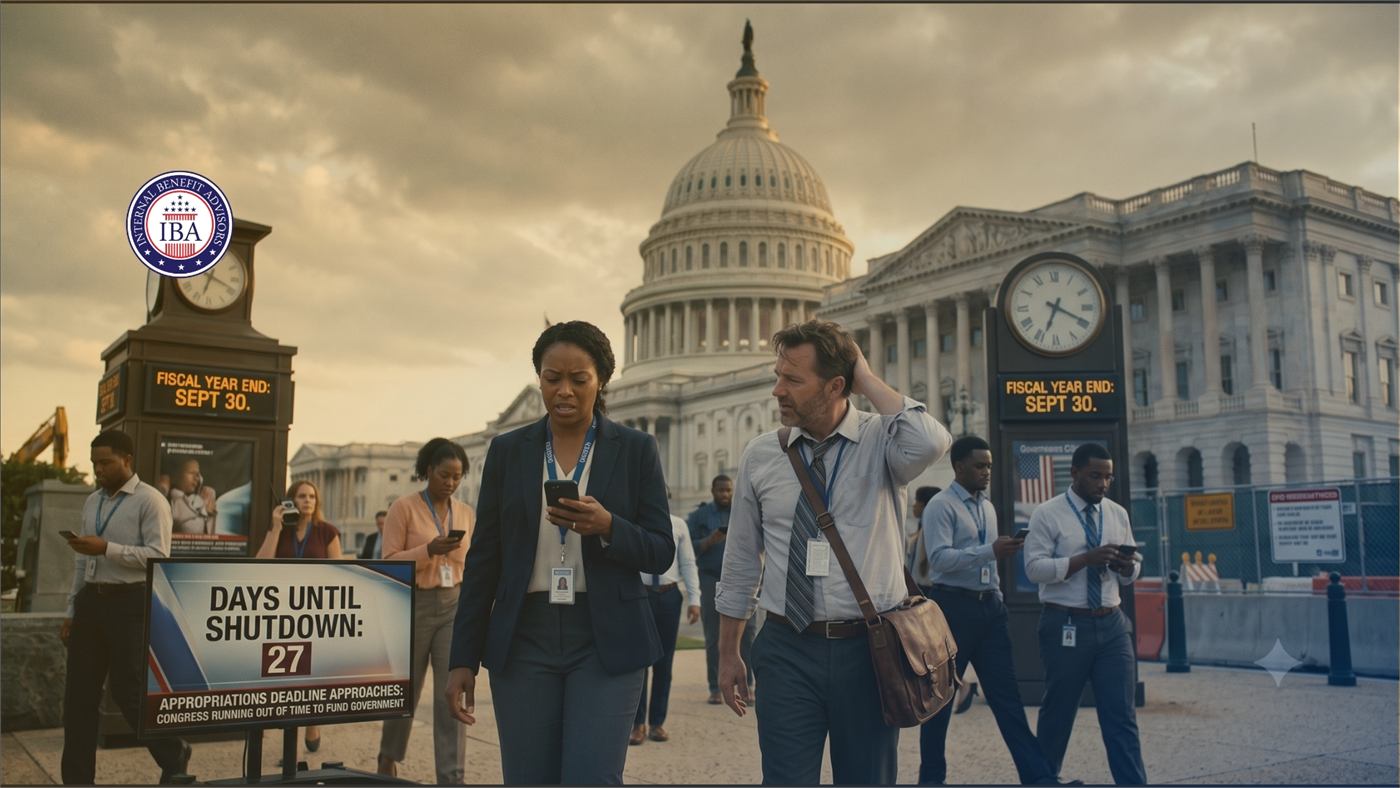
Congress is running short of time to fund the government before the fiscal year ends. What federal employees should have in place before any shutdown.
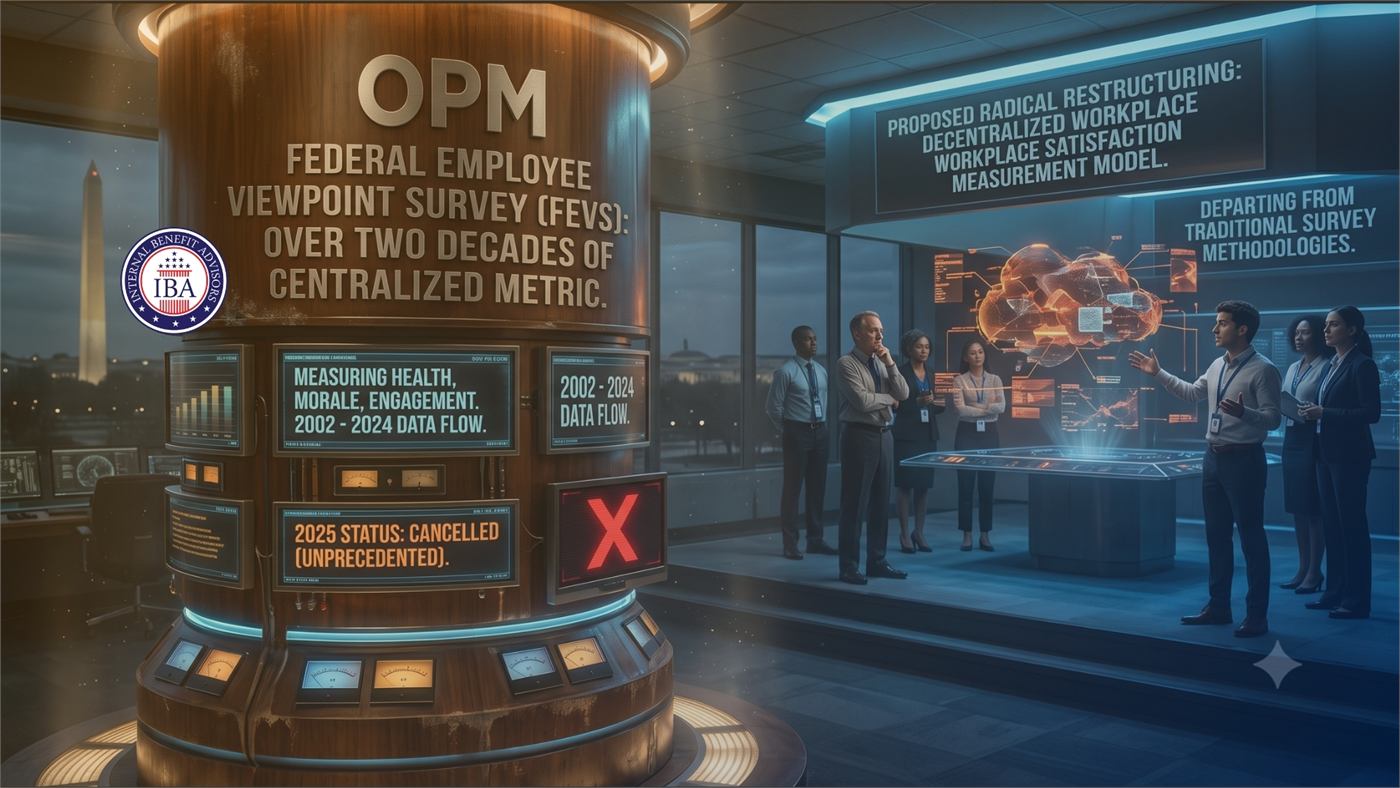
OPM has proposed changes to the Federal Employee Viewpoint Survey after canceling it in 2025. What the loss of that data means for agency accountabili

TSP stock funds posted strong gains through the first half of the year. Why a run like this is the moment to check your allocation, not to leave it al
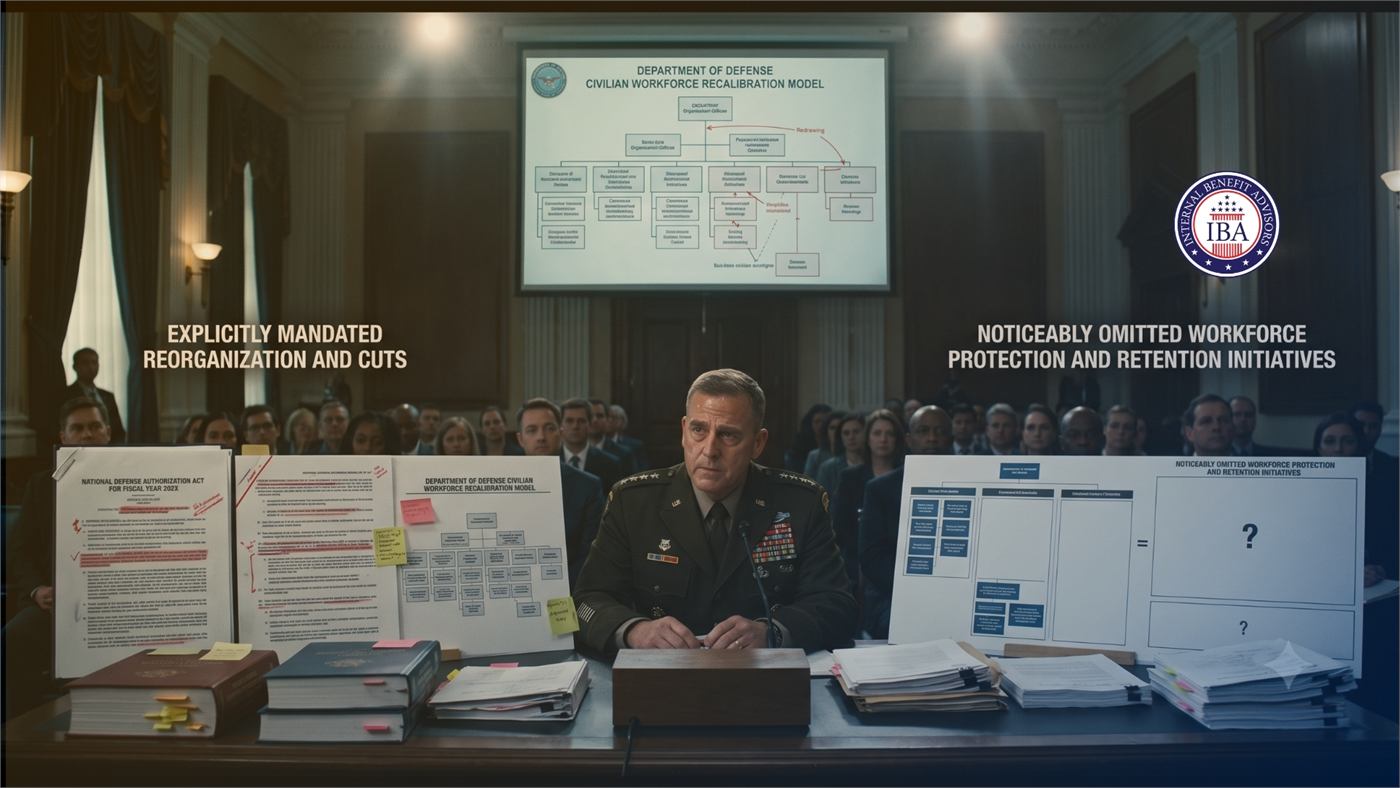
Defense authorization bills and DWCF staffing caps are reshaping the DOD civilian workforce. What the changes mean for your benefits and retirement ti
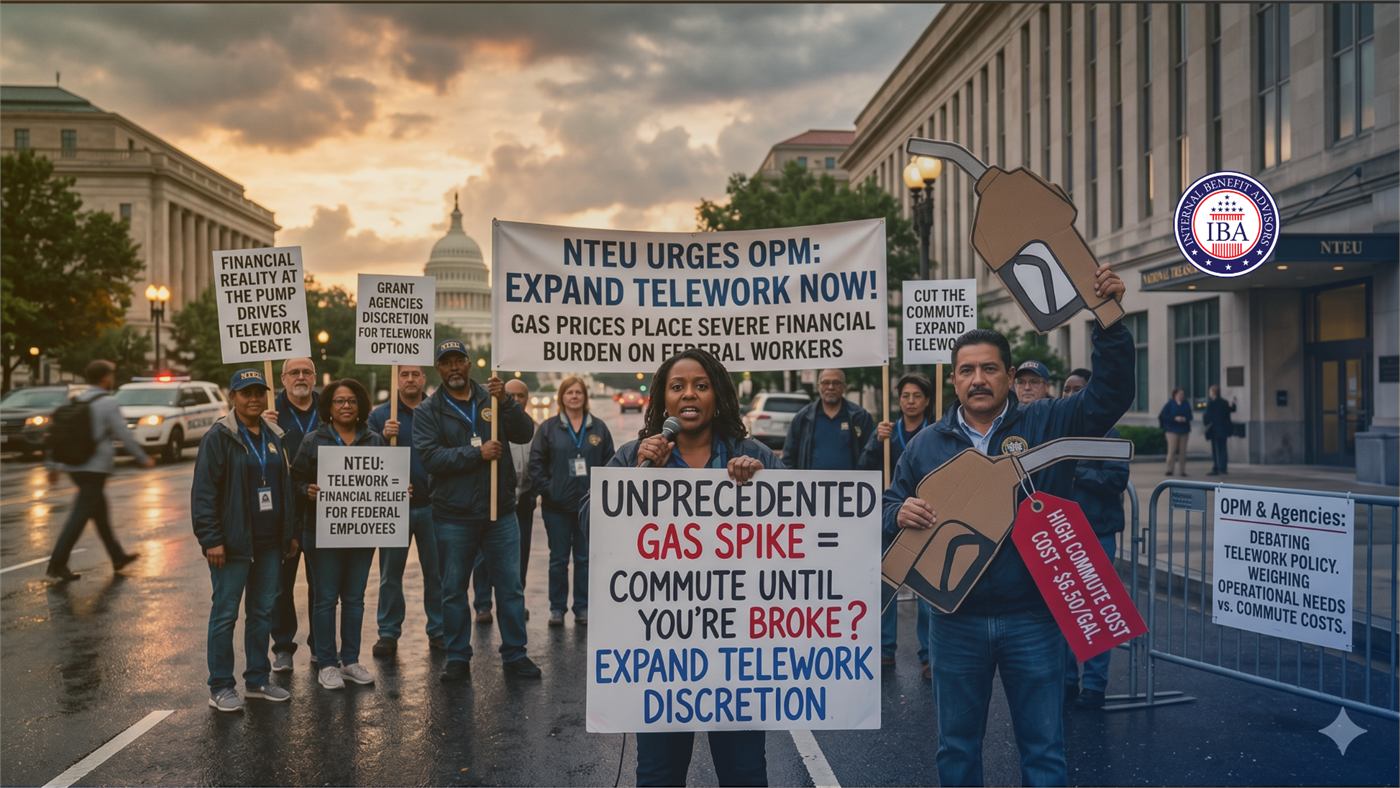
Rising fuel costs have reopened the federal telework debate, with the NTEU pressing the case. What the commuting math means for your household budget.

The COLA count has reached 3 percent after the latest inflation reading. What the figure means for your federal annuity and your purchasing power.
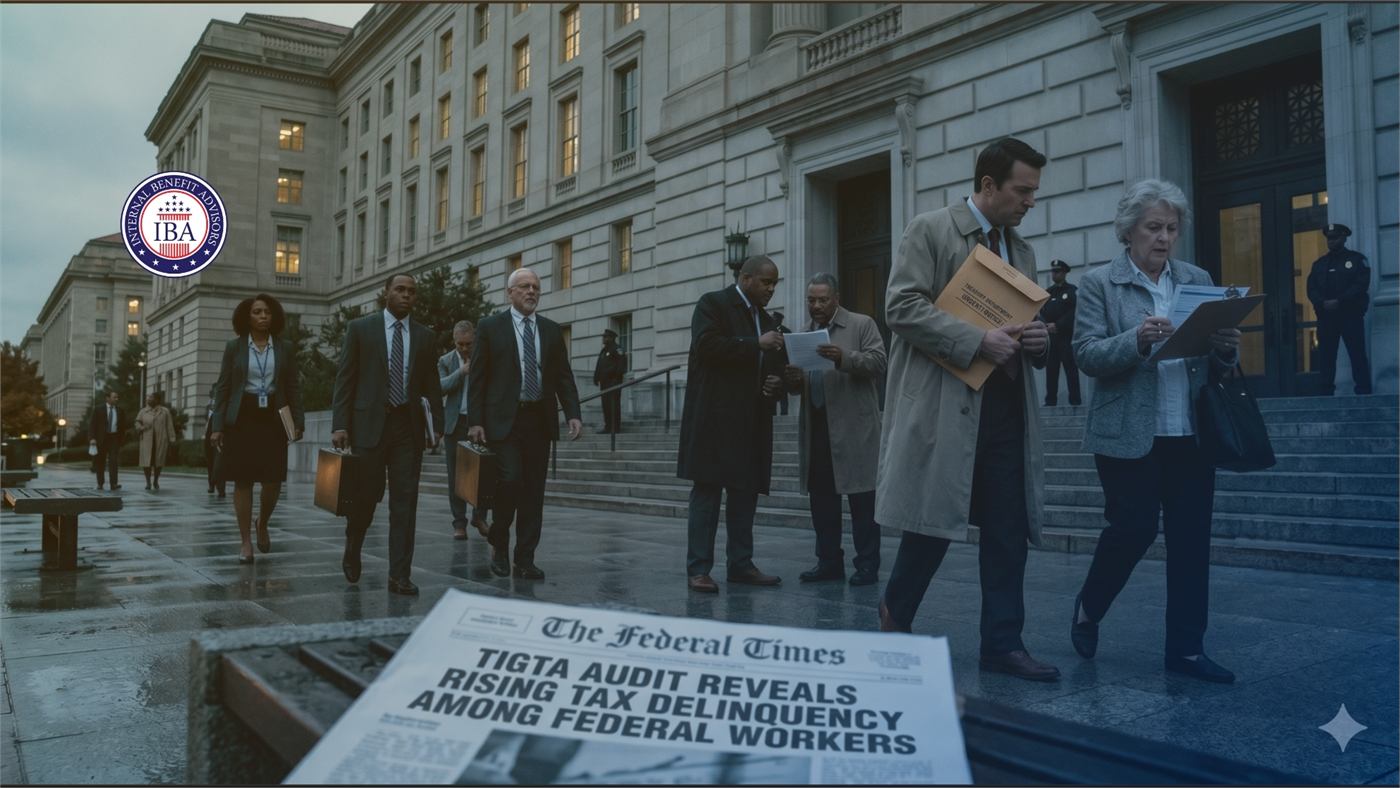
Tax delinquency is climbing among federal employees and retirees, according to TIGTA. What it puts at risk, from your clearance to your retirement.
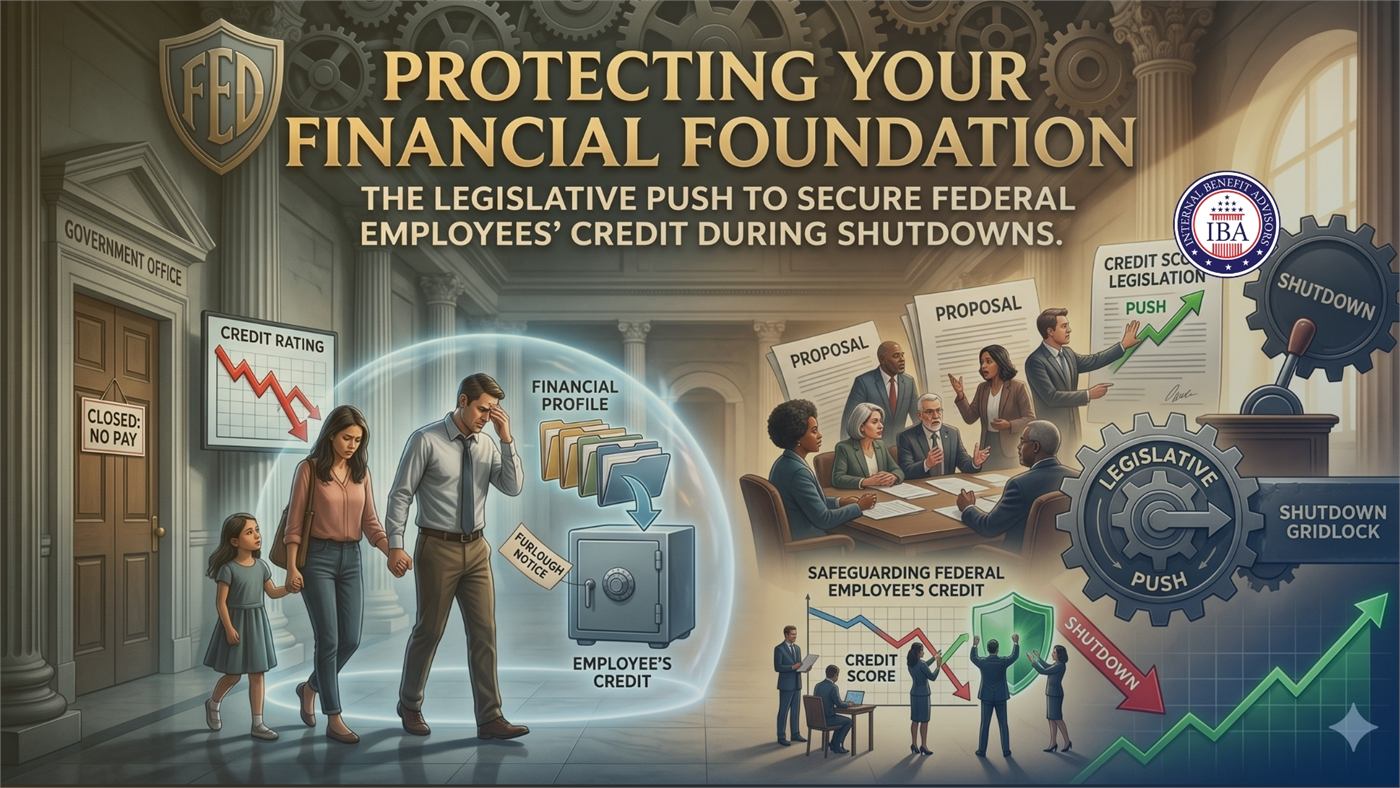
A legislative push would protect federal employees' credit during a shutdown. What the bill would cover and how to prepare for a lapse in appropriatio
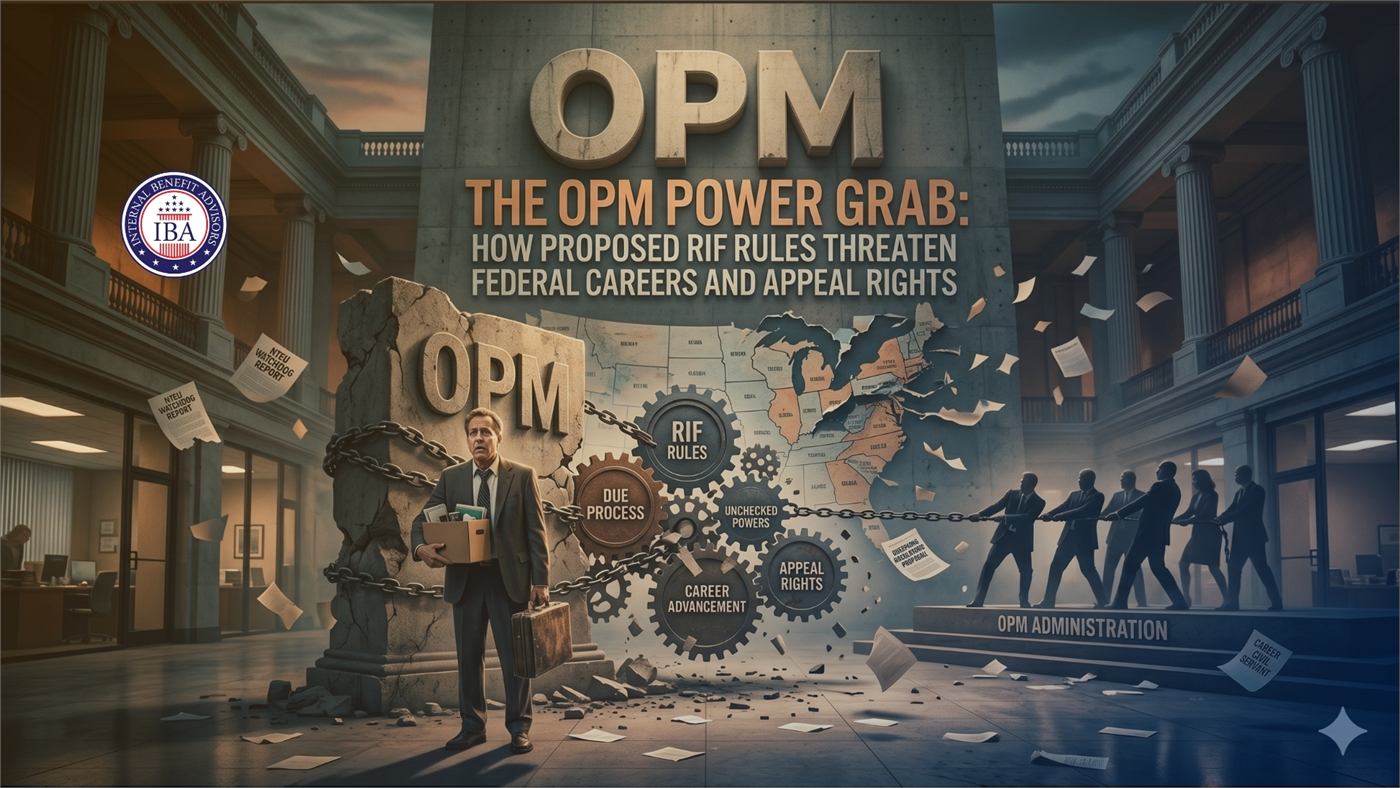
OPM's proposed RIF rule would narrow the appeal rights federal employees have when a job is cut. What unions object to and what is genuinely at stake.
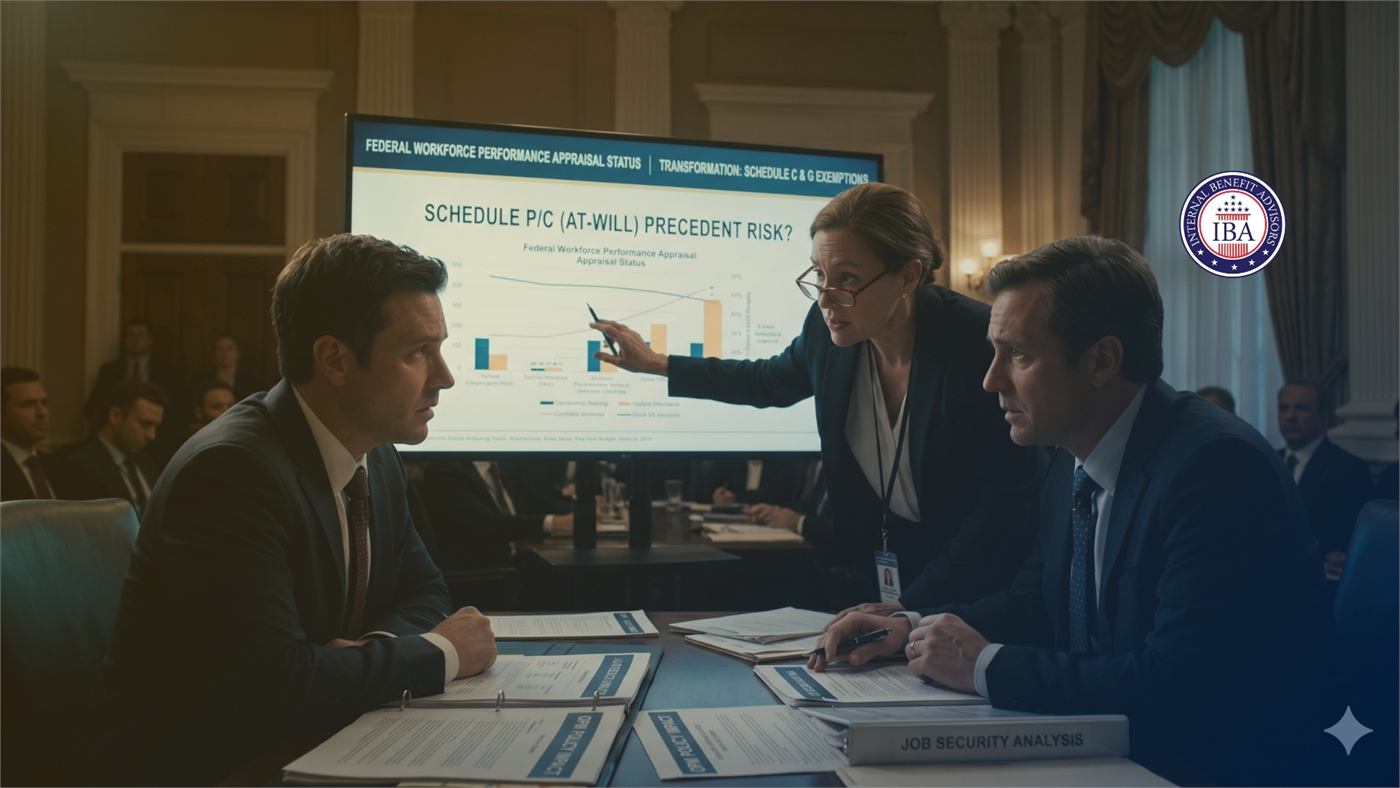
OPM has exempted Schedule C and G political appointees from standard performance appraisals. Why career civil servants should watch the precedent clos

Cuts at OPM have created a bottleneck in retirement processing. What a growing backlog means for your interim payments and for when you choose to file

The TSP millionaire count fell in the first quarter of 2026. What the drop shows about market volatility and why the number is a poor target to chase.
A March inflation surge has moved the 2027 COLA projection. What it means for federal retirees, and why FERS annuitants see a reduced adjustment.

The GSA warns that hazards in under-maintained federal buildings are escalating. What the deterioration means for the people who work in them daily.

OPM has proposed quotas capping how many top performance ratings an agency can award. What a forced curve would do to your appraisal and your awards.

Nearly 10,000 federal offices fail current utilization standards. What consolidation of the government's real estate portfolio could mean for your job
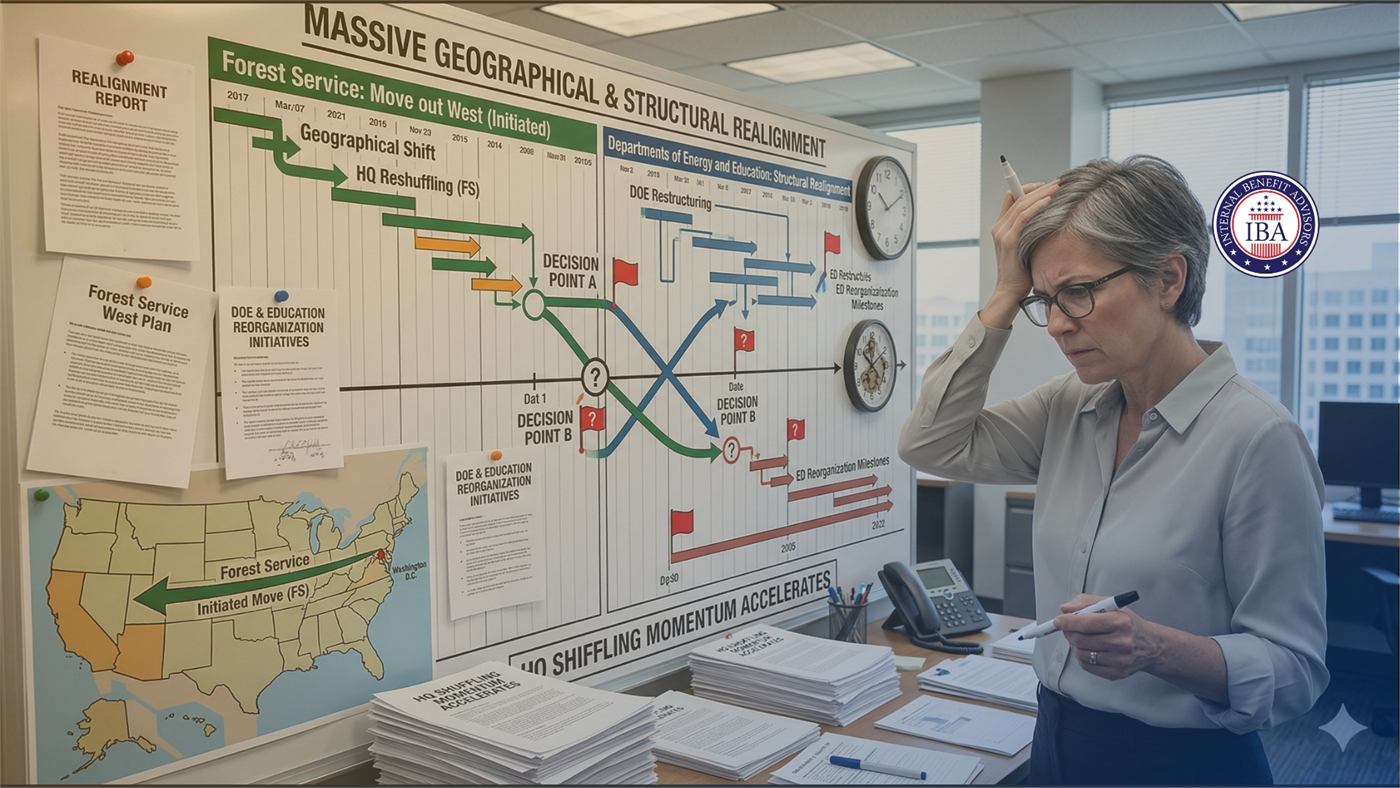
Agency headquarters are relocating, starting with the Forest Service. What a move means for your position, your locality pay and your retirement timin
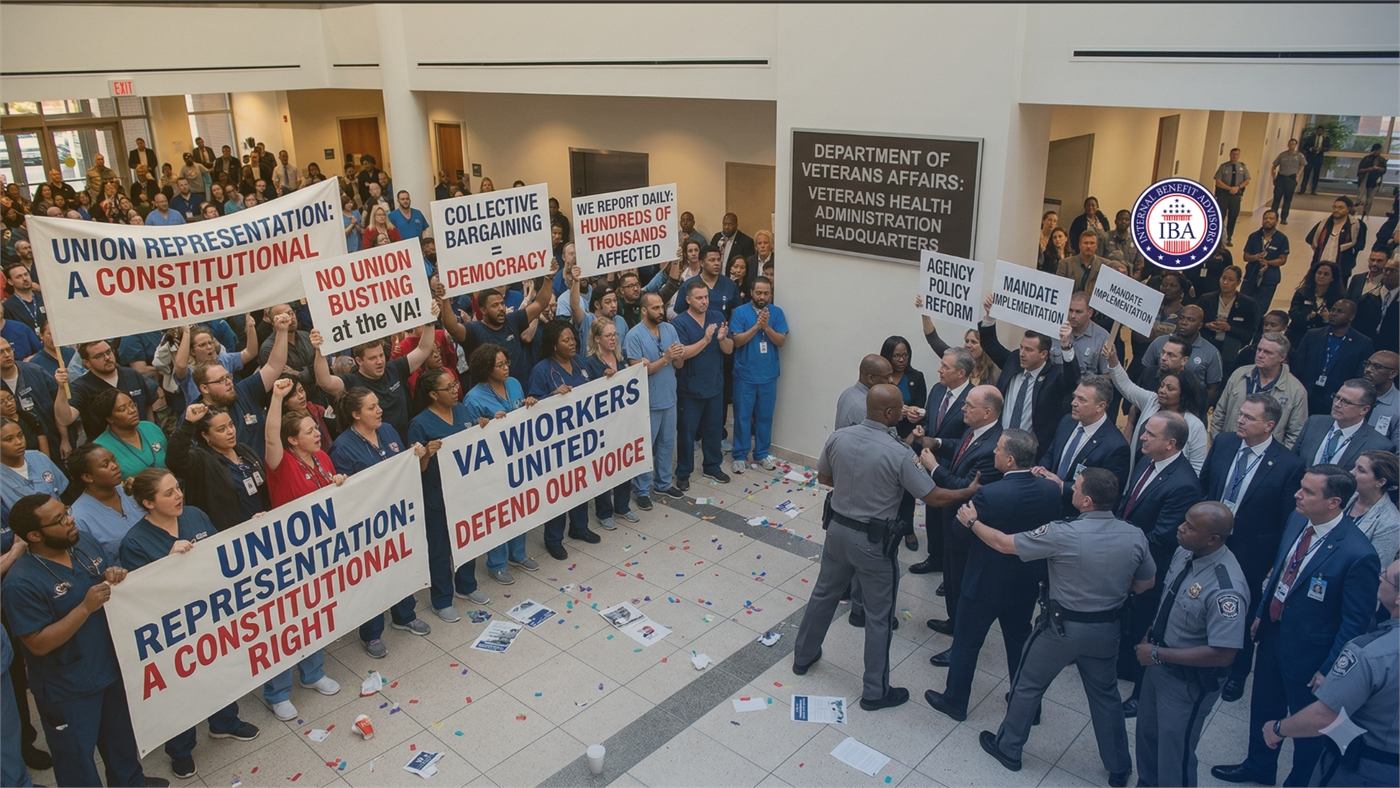
The VA is at the center of one of the sharpest federal labor disputes in years. What the contract stand-off means for benefits and workplace support.
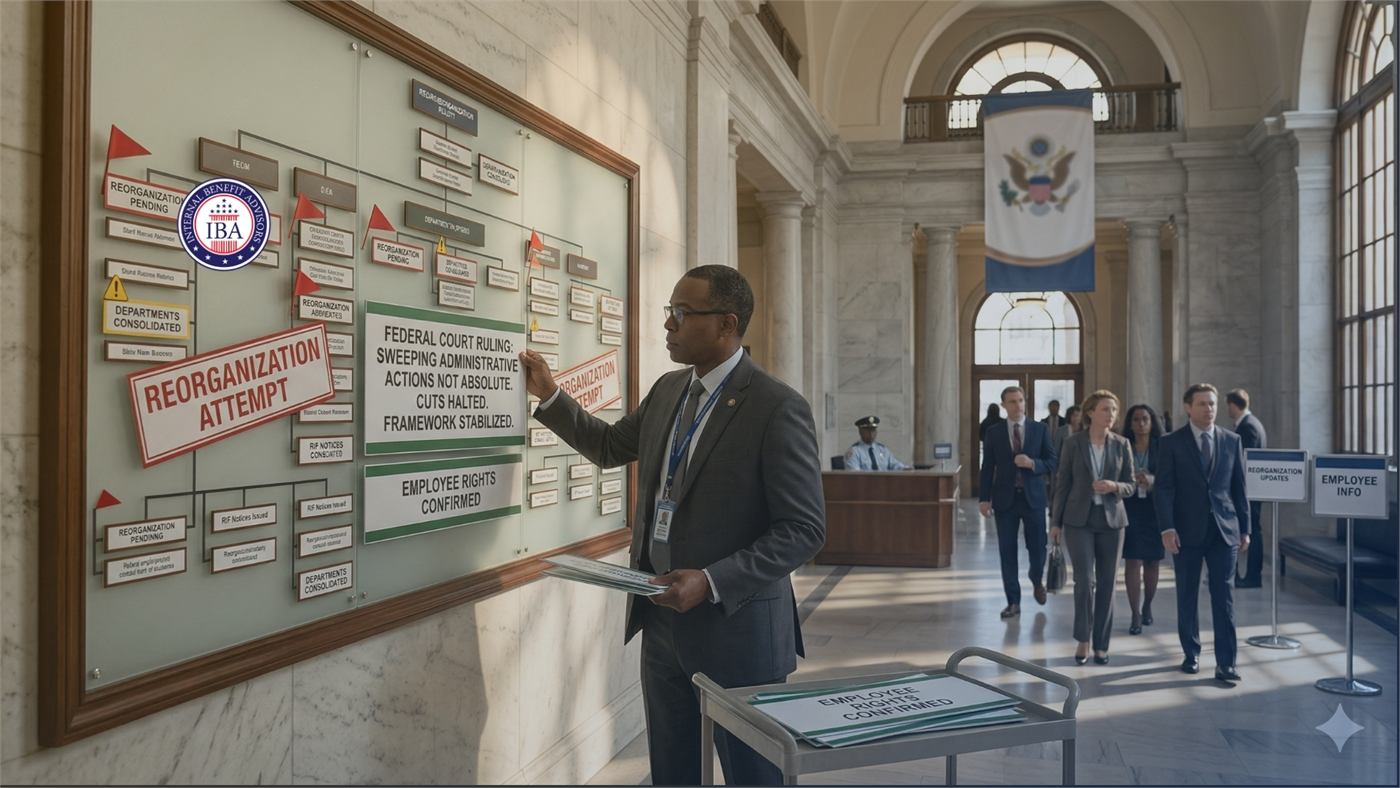
A court ruling reinstating USAGM employees shows mass RIF notices can be reversed. What it means if your own agency is in the middle of a reorganizati

A U.S. District Court has ordered the VA to reinstate its collective bargaining agreement. What the reinstatement restores, and what remains uncertain
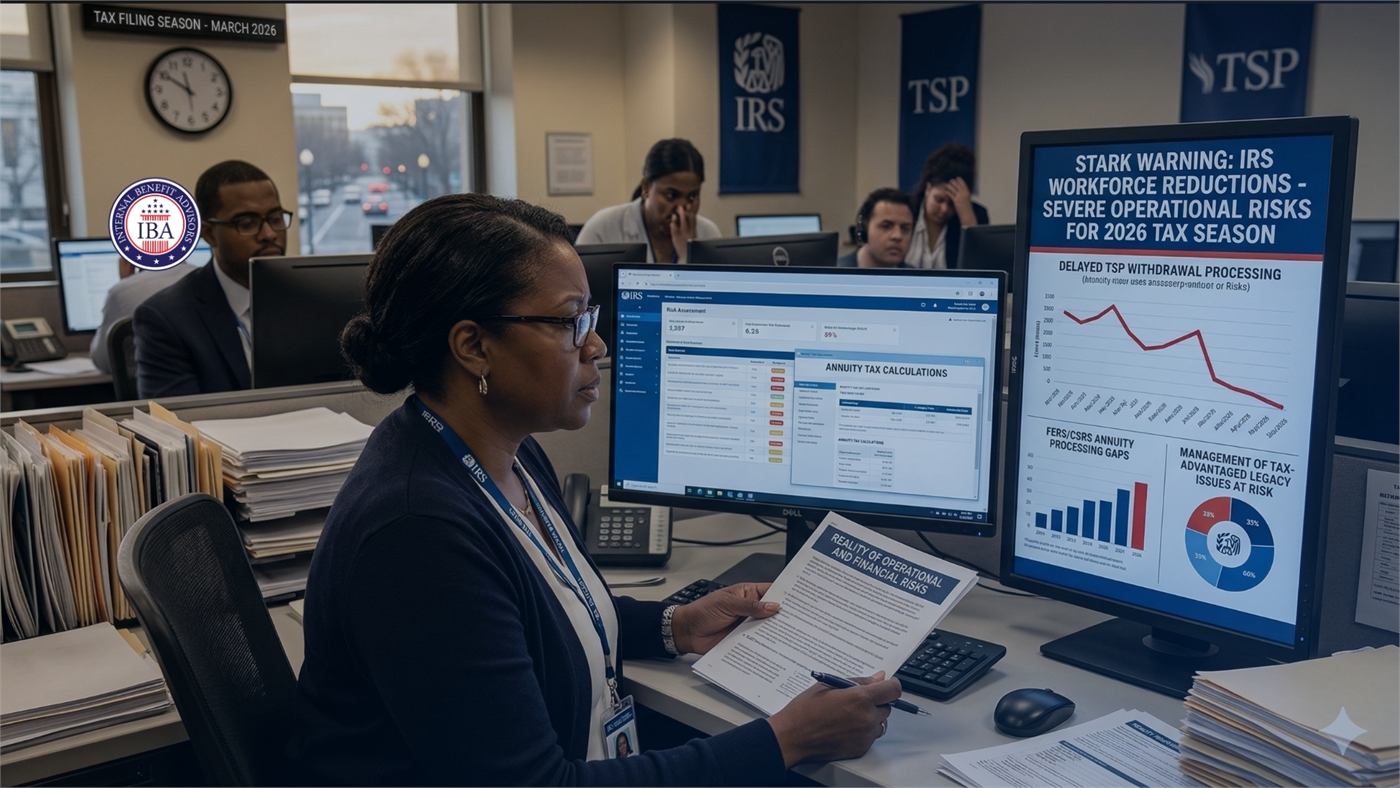
A GAO report warns on the effects of IRS staffing reductions. What slower service and thinner enforcement mean for your tax and retirement strategy.
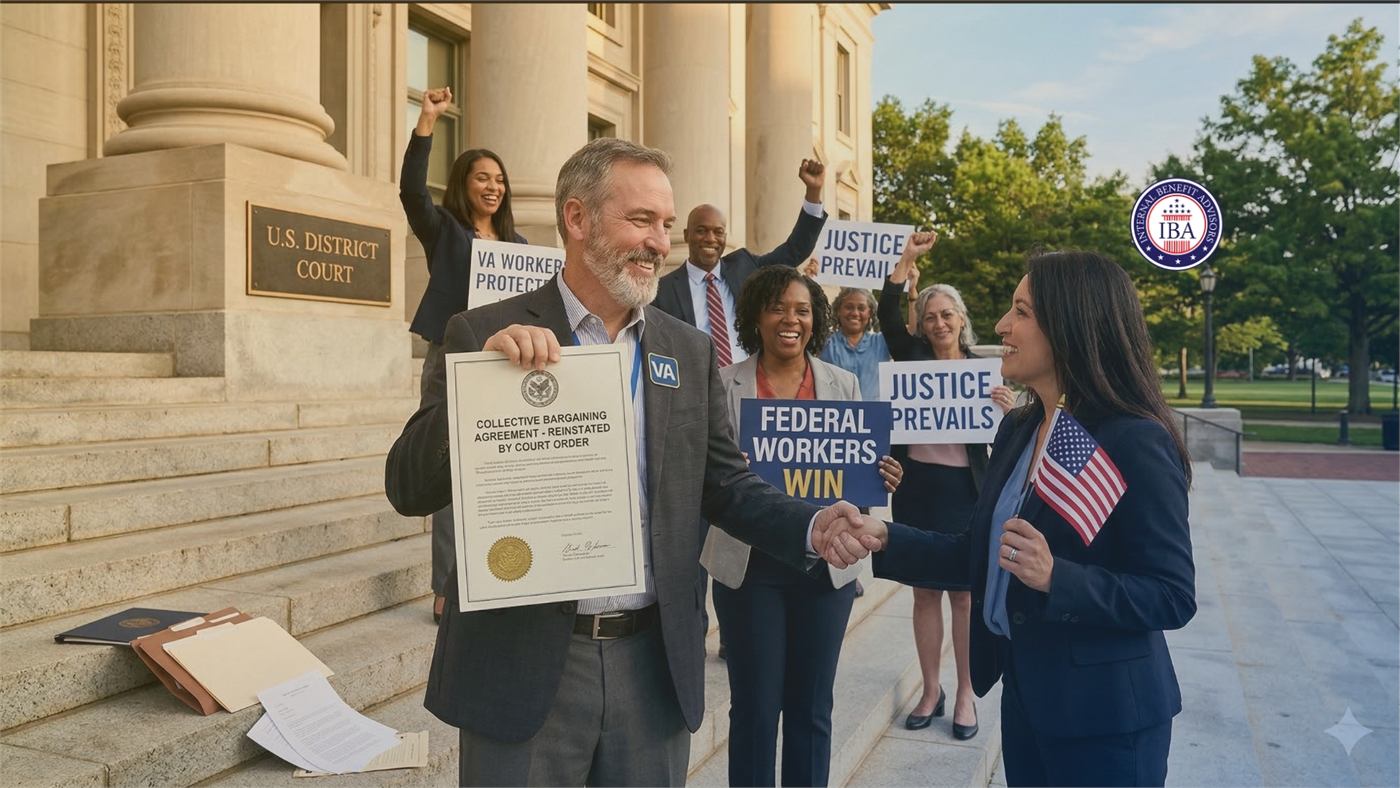
After a court ordered the VA to restore its union contract, federal labor law looks less settled. How to plan your benefits through the volatility.
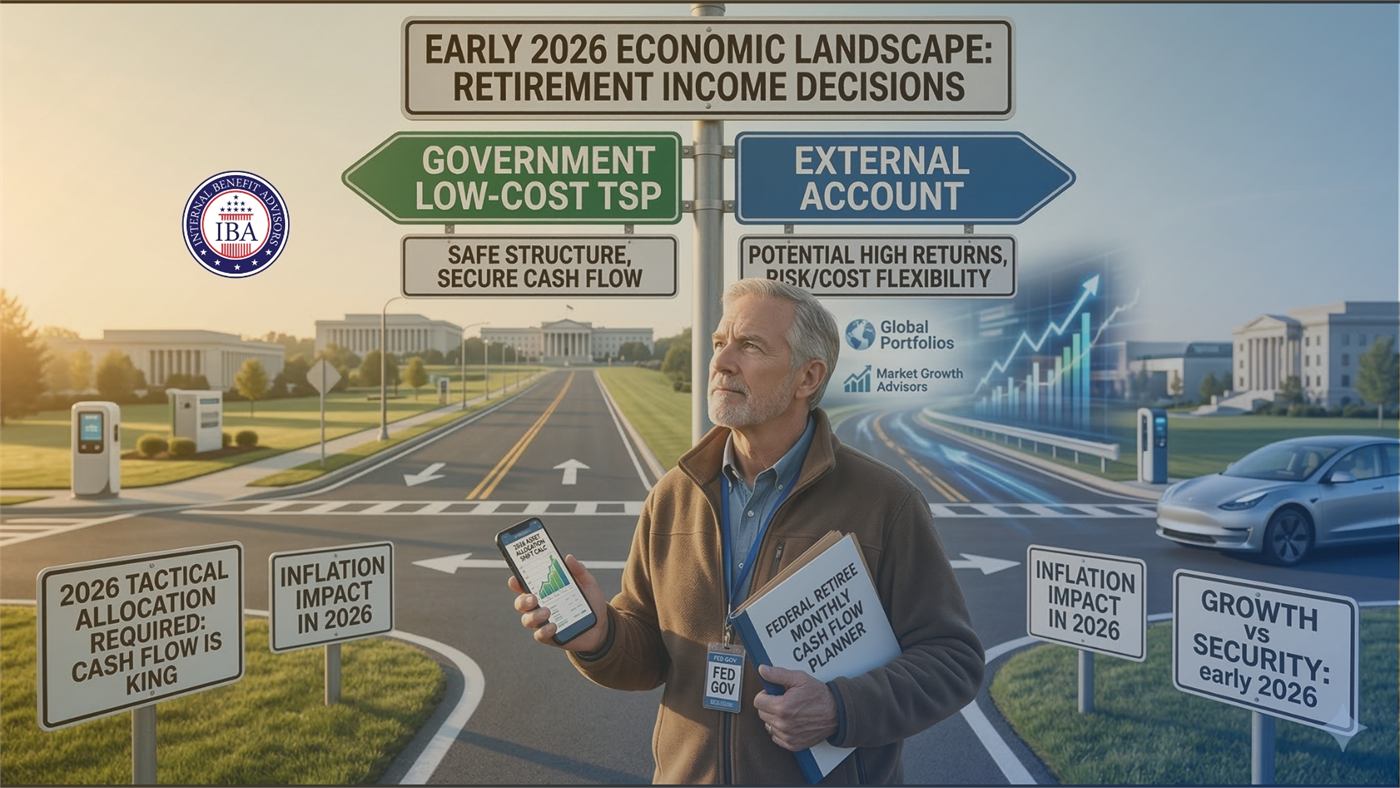
Leave the money in the TSP for its low costs, or move it for flexibility? How to think about allocation once the plan becomes your monthly paycheck.

A partial shutdown at DHS began February 14, 2026 and ran into the pay period. How to prepare your cash flow for a partial paycheck and delayed back p

FECA beneficiaries have secured a 2.6 percent adjustment while the 2027 retiree COLA projection stalls. Why the two figures have come apart this year.
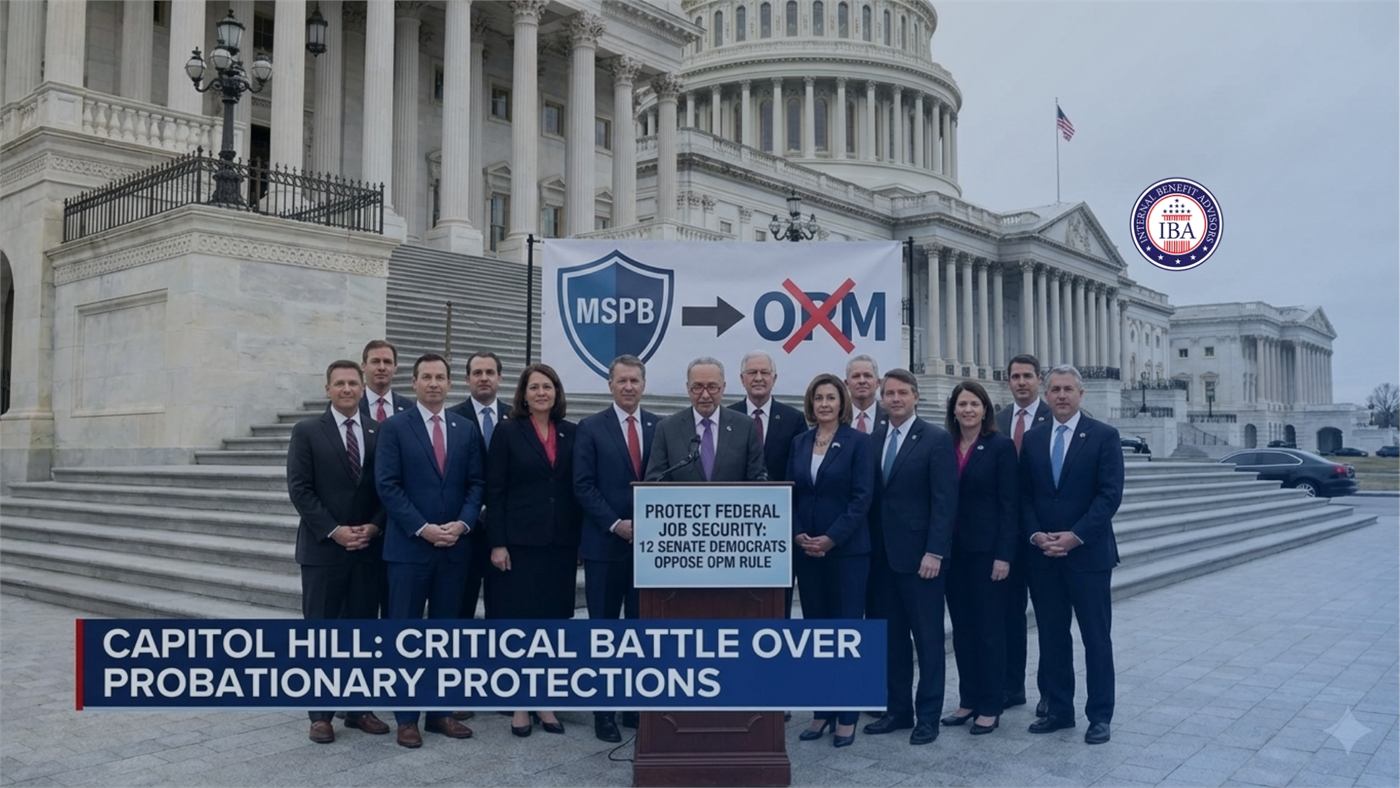
Twelve Senate Democrats are opposing an OPM rule that would weaken appeal rights for probationary employees. What protections are at stake, and for wh

Delay until 70 is the standard Social Security advice, and it often does not fit a federal retiree with an annuity. Why the generic math breaks down.
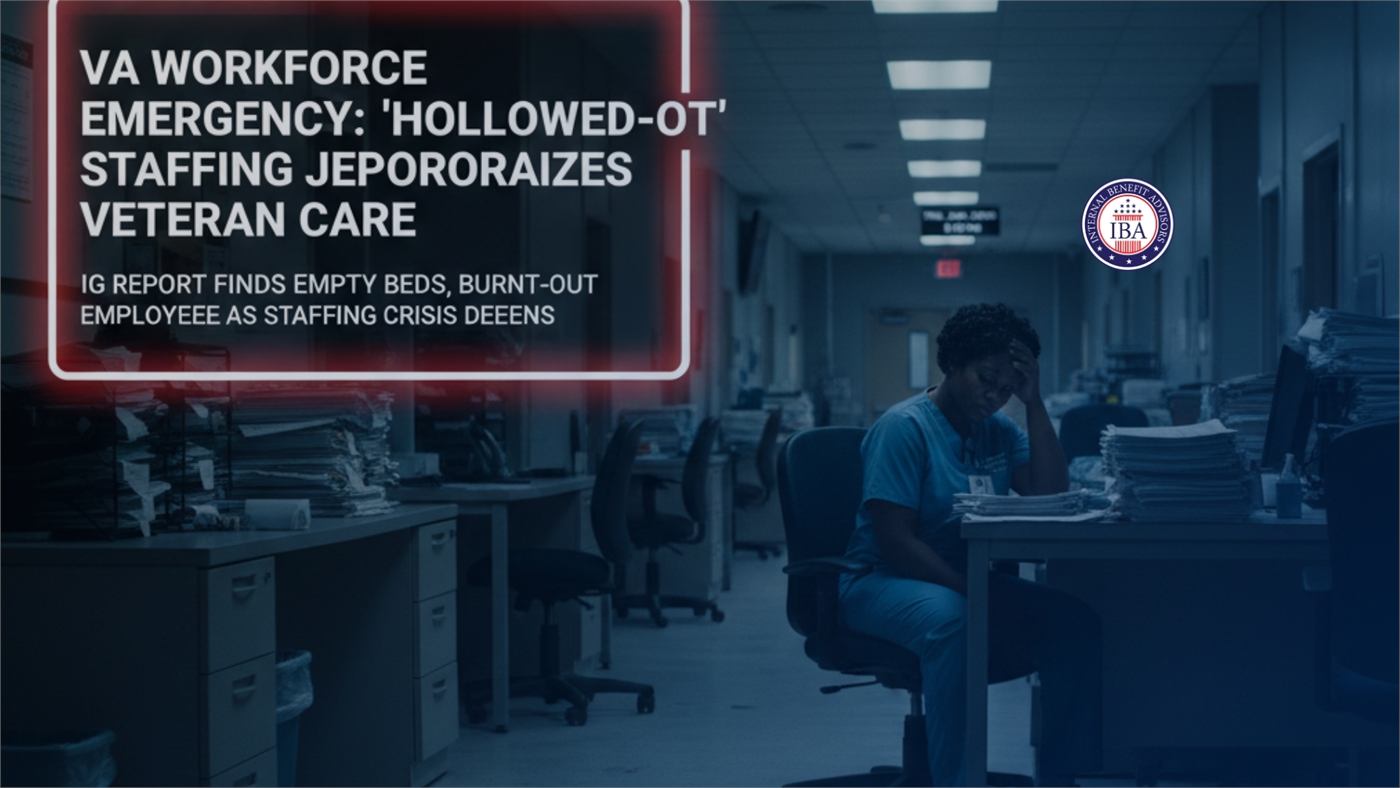
The VA is carrying roughly 30,000 vacancies and severe shortages, according to its own Inspector General. What a staffing crisis means for your career

The CBO puts the cost of rebranding the Defense Department at about $125 million. Where that money goes, and what it displaces in the workforce budget
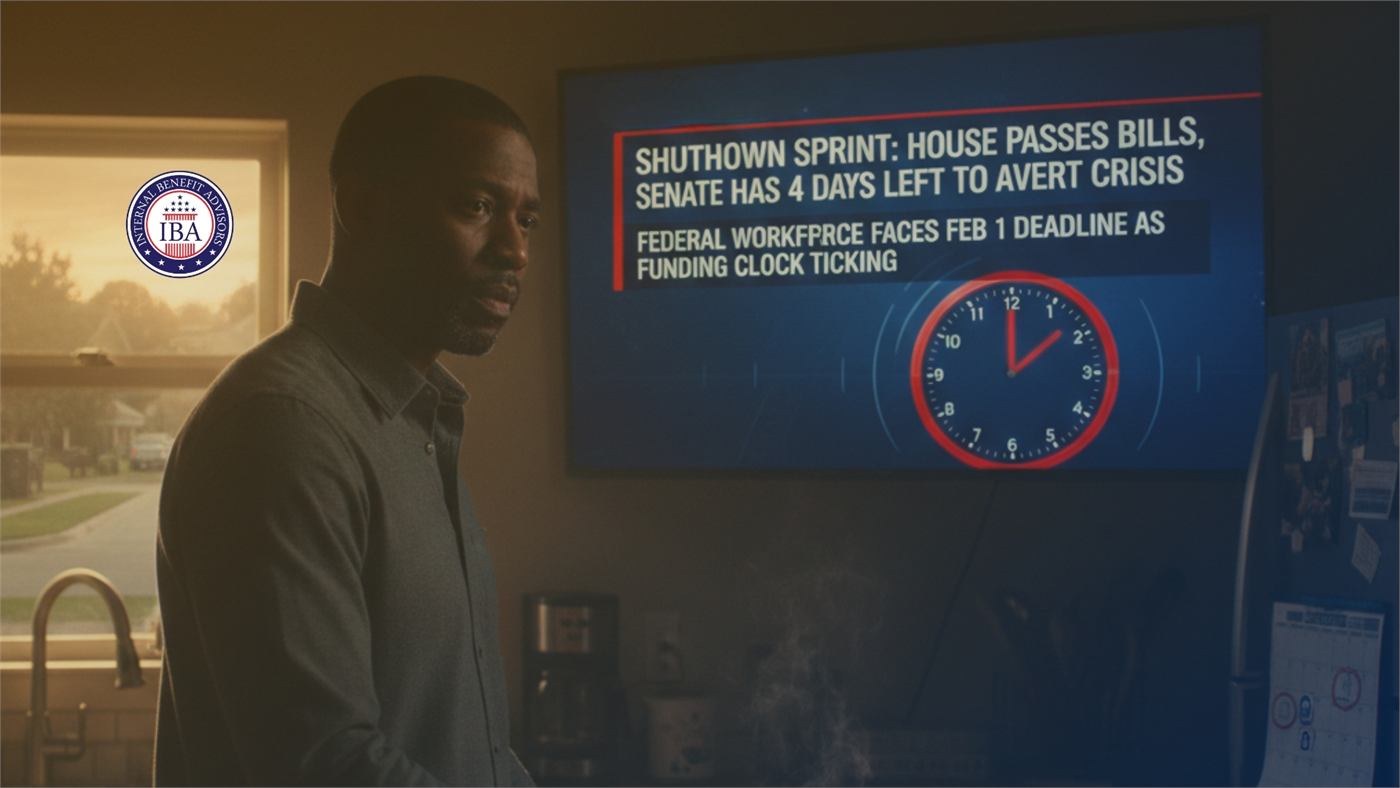
The House has passed the spending bills to fund the government through fiscal 2026. Whether the Senate beats the January 30 deadline, and what if it m

OPM's pending retirement inventory has passed 50,000 cases. What a backlog that size means for your wait, and what a relief bill would change.

The TSP closed 2025 at a record $1.07 trillion. Why a bull market may have left your allocation more aggressive than you ever intended it to be.

The 2026 COLA is 2.8 percent for CSRS, but anyone who retired during 2025 receives only part of it. How proration works and what your first raise will

A 1 percent raise for most federal civilians sits below inflation, while military and law enforcement see more. What losing ground does to your annuit
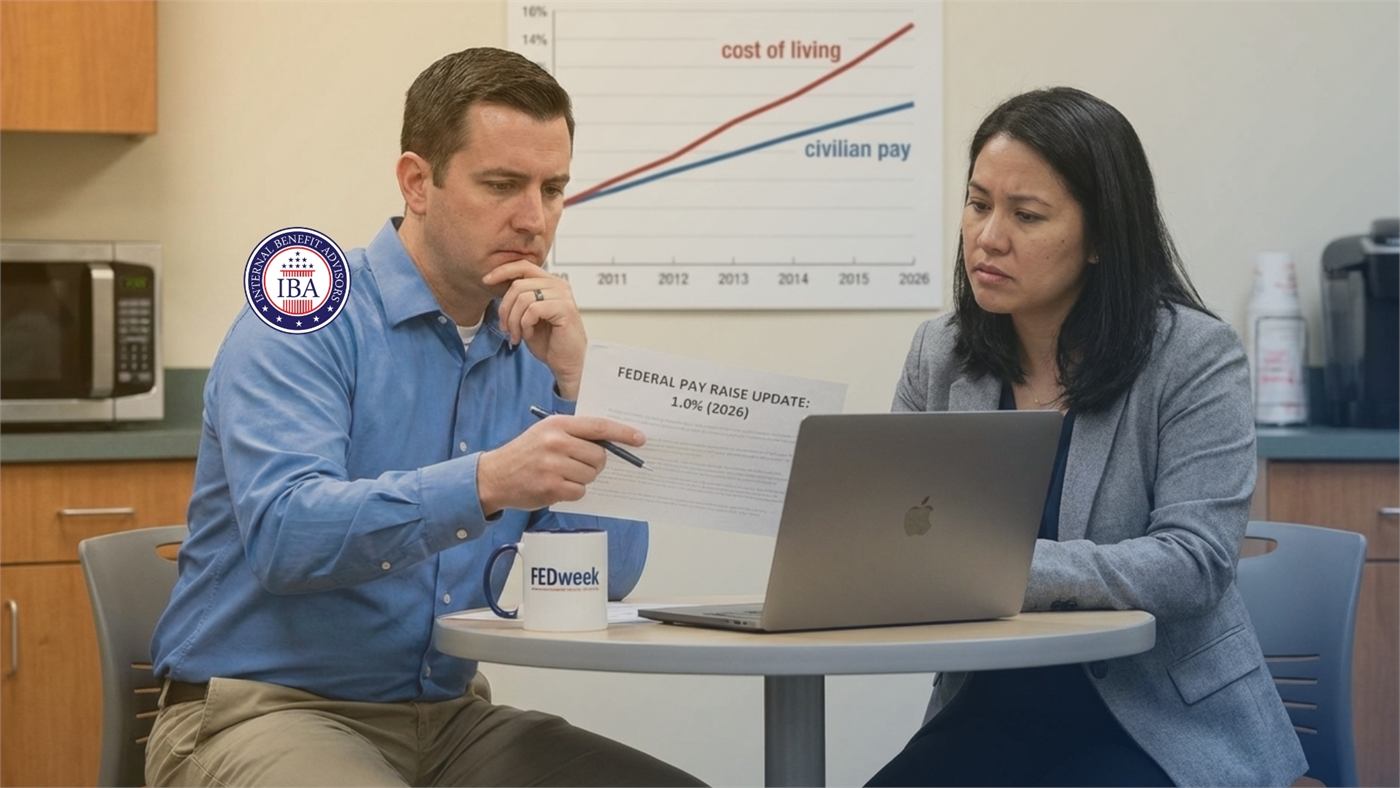
A 1 percent raise for 2026 does not keep pace with inflation. What a real-terms pay cut compounds into over a career, and what it does to your high-3.
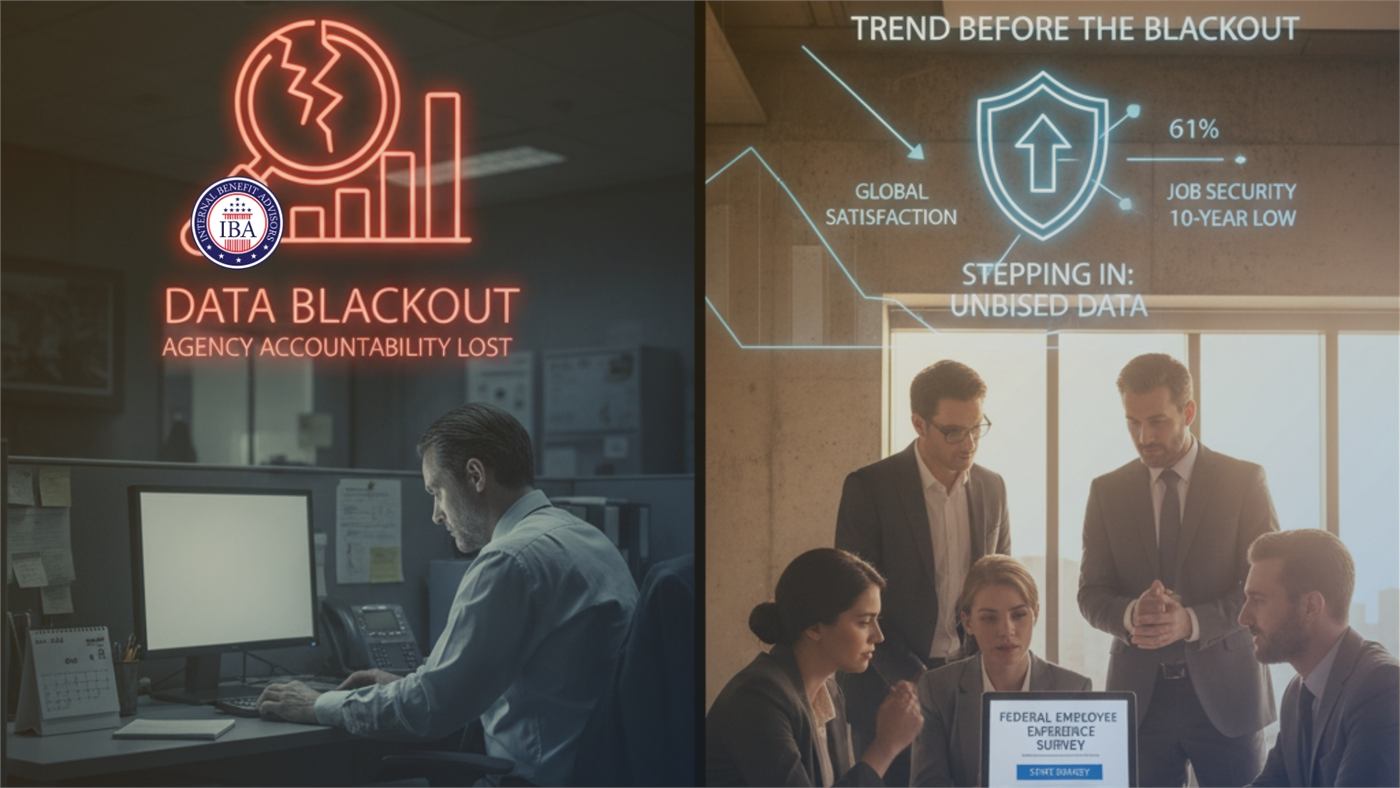
After a year of shutdowns, frozen pay and layoff threats, OPM canceled the 2025 employee survey. What losing that data means for agency accountability

Four weeks into the shutdown, a new survey shows the public feeling the effects too. How the widening damage changes the politics of ending it.

A federal judge blocked an order limiting collective bargaining for federal workers. What continued protection means, and what it does not cover.

The C Fund has slipped into negative territory year to date and the S Fund has fallen further. What a decline like this should and should not change.

The TSP Modernization Act changed a great deal, but not this. FERS employees still need notarized spousal consent for withdrawals. What it requires.

Small-cap stocks lead early in an expansion and lag later. Two reasons the S Fund trailed the C Fund, and what that means for your own TSP mix.
A budget proposal called for a pay freeze while a raise sat on the table in Congress. How the timing of each decision affected federal pay that year.